Queen Elizabeth National Park is the stronger all-round wildlife park, while Murchison Falls National Park wins for giraffes, open savannah, and the Nile experience. That is the short version of the murchison falls vs queen elizabeth wildlife decision. The checklist below turns those broad statements into a route choice you can use on the ground.
Murchison Falls vs Queen Elizabeth Wildlife: A Practical Checklist
Work through these five checks in order. Start with the animals you most want to see, then move to water, habitat, route planning, and timing.
1. Choose the Park That Matches Your Species Shortlist
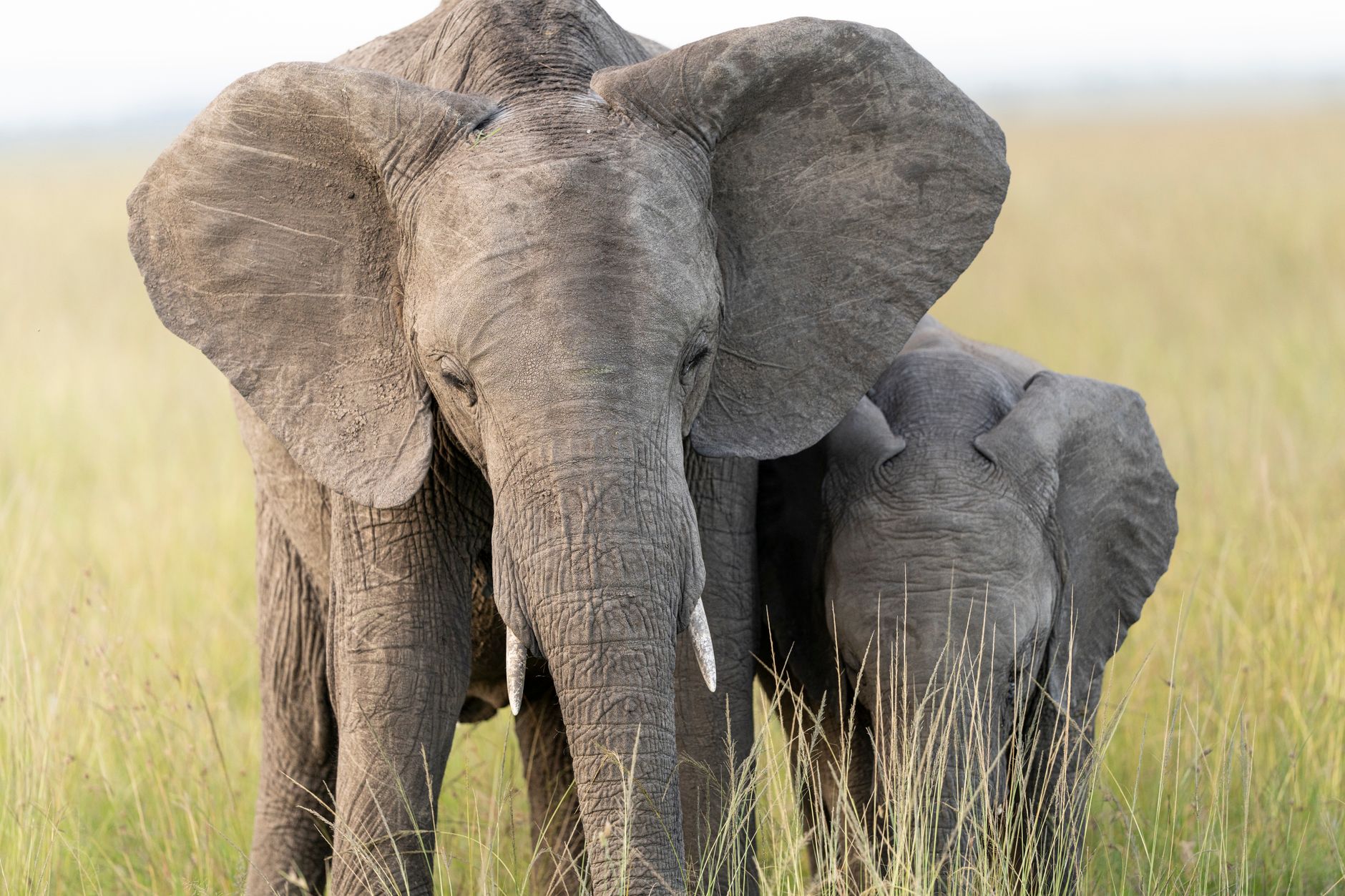
Start with a mental list of the animals that matter most. Elephants and buffaloes are reliable in both parks, so they rarely decide the question. Lions are also present in both, but Queen Elizabeth has the better-known chance of seeing tree-climbing lions in Uganda, mostly in the Ishasha sector. Those sightings are never guaranteed, and guides may still find lions on the ground elsewhere in the park.
Giraffes are the clearer dividing line. For a Uganda giraffe safari, choose Murchison Falls. Rothschild’s giraffes are a signature sight across its open northern savannah. Queen Elizabeth has varied wildlife too, but giraffe viewing in wide open country is not its main identity.
Murchison Falls wildlife tends to sit in larger blocks of grassland and woodland, so you need patience on long game drives. Queen Elizabeth National Park wildlife feels more compact, especially on the Kasenyi plains and around the channel. If you have only two or three game drives, that compactness matters.
2. Decide How Much Wildlife Should Come From Water
A Kazinga Channel boat safari is the easiest water-based wildlife decision in Uganda. The channel concentrates hippos, elephants, buffaloes, crocodiles, and waterbirds along a relatively short shoreline. You often get slow, close encounters and steady photography subjects. For density of animals seen from a boat, Queen Elizabeth usually wins.
Murchison Falls offers a different experience. The boat trip on the Victoria Nile takes you toward the base of the falls, past hippos, crocodiles, and riverside birds. The scenery is more dramatic, but the wildlife action is spread over a longer journey. Choose Murchison if the falls and the Nile setting belong on your trip. Choose Queen Elizabeth if you want maximum wildlife per minute on the water.
3. Compare Habitat and Birdlife for Photography
Queen Elizabeth has a wider mix of habitats inside one day. You can move between crater lakes, open grassland, wetlands, patches of forest, and the channel shoreline. That mix supports strong bird diversity, and checklists for the park often pass 600 species. Photographers also get varied backgrounds, from water-level hippo shots to elephants framed by the channel and the green fig trees of Ishasha.
Murchison Falls feels more consistent: open savannah, riverine woodland, and the falls themselves. It rewards wide-angle giraffe and buffalo scenes and Nile crocodile images from the boat. The shoebill is possible, especially in marshy sections, but no one can promise it. Queen Elizabeth is the better choice for habitat diversity and birds. Murchison is the better choice for a clean, wild savannah look.
4. Fit the Park Into a Wider Uganda or Kenya Safari
These two parks rarely sit alone in an itinerary. Queen Elizabeth belongs to the western Uganda circuit. It is the natural partner for Bwindi gorilla trekking and for chimpanzee forests around Kibale. Roads connect the western parks in a practical loop.
Murchison Falls belongs to a northern route. It pairs with the Nile, Ziwa Rhino Sanctuary, and the more remote feel of northern Uganda. If rhinos are on your list, they are usually seen at Ziwa on the road north, not inside the main Murchison game loop.
If your journey starts in Kenya, plan extra days for travel and borders. Before booking, read how combining a gorilla trek with a Kenya safari fits with time in the Mara. Gorilla permits and park fees drive the budget, so check Uganda Rwanda safari costs before comparing itineraries. If you add Bwindi, review Bwindi gorilla trek difficulty to know what the hike demands.
5. Use the Dry Season Windows to Sharpen the Choice
Timing changes both parks. Dry conditions in Uganda broadly run from June to September and December to February. Animals gather near reliable water, and shorter grass makes them easier to spot.
Queen Elizabeth remains rewarding outside those windows because Kazinga Channel is a permanent water source. Wildlife keeps coming to the shoreline even when rain spreads animals across other habitats. Murchison also offers year-round river scenery, but game can be more dispersed in wetter months because water is available in more places. If your dates are flexible, aim for the dry seasons. If they are not, Queen Elizabeth gives you more margin for error.
Can You Visit Both Parks on One Uganda Safari?
Yes, but visiting both parks works best on a longer Uganda itinerary because they are in different regions and require substantial road time. Choose Queen Elizabeth when pairing western Uganda wildlife with Bwindi or Kibale. Choose Murchison Falls when prioritising northern savannah, the Nile, and a possible Ziwa Rhino Sanctuary stop. A rushed two-park plan can reduce time on game drives.
Your Next Step: Compare Operators
Write down your non-negotiable animals, pick the park that fits them, and then compare operators that run both Uganda and Kenya routes. Browse packages from Uganda and Kenya operators or compare safari costs by operator to turn this choice into a clear itinerary quotation.
More safari planning resources
- Kenya safari packages from SafariPure
- Kenya wildlife tours from Trunktrails Safaris
- Kenya national parks map from Valley Safaris
- Compare Kenya safari packages on FindMySafari